
Quick Answer
Pocket reduction surgery in London, ON gently folds back the gum tissue, removes bacteria from deep periodontal pockets, and reshapes the bone so your gums can reattach snugly to the teeth. Most patients at Gateway Dental Care feel noticeably better within three to five days, and tissues fully settle over several weeks. Clear instructions, soft foods, and gentle hygiene keep recovery smooth.
Deep gum pockets rarely announce themselves loudly, yet they quietly undermine the bone that anchors your teeth. When scaling cannot reach the bottom of those pockets, pocket reduction surgery in London, ON becomes the next practical step. At Gateway Dental Care on Wonderland Road South, Dr. Rawad Serhan and the team treat this procedure as a collaboration, not a mystery. Consequently, this guide walks you through each stage, from the first incision to the final healed smile, so you feel genuinely prepared.
What Pocket Reduction Surgery Actually Does
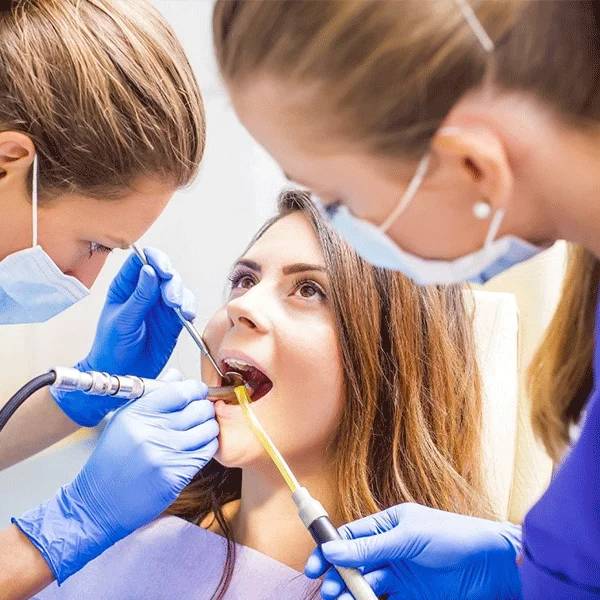
Pocket reduction surgery, sometimes called flap surgery or osseous surgery, treats advanced periodontitis. Specifically, the gum is lifted away from the tooth to expose the root and surrounding bone. Next, the dentist clears out hardened tartar and bacterial colonies hiding below the gumline. Afterward, any irregular bone is smoothed, and the gum is repositioned tightly against the tooth with fine sutures. Because the pocket shrinks, daily brushing and flossing can finally keep the area clean.
According to the Canadian Dental Association, surgical procedures in the mouth aim to protect both soft tissue and the underlying bone. Furthermore, a systematic review in Periodontology 2000 noted that regenerative periodontal surgery reduces deep pockets to maintainable probing depths while supporting the formation of new bone and periodontal ligament. In other words, the goal is not only cleaning, but durable reattachment.
How It Differs From Non-Surgical Gum Care
Many patients start with scaling and root planing, a deep cleaning that often resolves early disease. However, when pockets remain deep after that treatment, surgery becomes the logical progression. Interestingly, researchers writing in Periodontology 2000 have “unlearned” older habits like aggressive removal of root cementum, favouring gentler, more precise techniques instead. Therefore, modern pocket reduction is more conservative than it was decades ago.
Preparing for the Procedure
Preparation begins with a thorough periodontal assessment, including digital imaging to map bone levels. Additionally, the team reviews your medications, medical history, and any dental anxiety you carry. Comfort options, including sedation dentistry, are discussed openly so nothing feels rushed. Specifically, you will receive written guidance on what to eat beforehand and how to arrange a ride home if sedation is used.
On the day itself, local anesthetic fully numbs the treatment area. Consequently, the procedure is comfortable, and most sections are completed within one to two hours depending on how many teeth are involved. The team will explain each step as it happens, which helps keep you relaxed and informed.
Recovery Expectations, Day by Day
Recovery is predictable when you follow the plan, so here is a realistic timeline.
The First 48 Hours
Mild swelling and tenderness are normal immediately after surgery. Therefore, apply a cold compress in short intervals and rest with your head slightly elevated. Stick to cool, soft foods like yogurt, smoothies, and lukewarm soup. Additionally, avoid rinsing vigorously, since the sutures and early clot need stability.
Days Three to Seven
By the third day, discomfort usually fades noticeably. Gentle saltwater rinses can begin, and you may reintroduce slightly firmer soft foods. However, keep brushing away from the surgical site exactly as instructed. Most London patients return to work or school within a day or two, provided their job is not physically strenuous.
Weeks Two to Six
Sutures are removed or dissolve during this window, and the gum tissue tightens around each tooth. Subsequently, probing depths shrink, and the area becomes far easier to clean. A follow-up visit confirms healing and fine-tunes your home-care routine. Over the following months, the reshaped bone and reattached gum stabilize fully.
Keeping Your Results for the Long Term
Surgery resets the foundation, yet daily habits protect the investment. Consequently, consistent brushing, flossing, and regular maintenance cleanings keep bacteria from rebuilding deep pockets. The Ontario Dental Association emphasizes that routine care prevents many common problems from escalating. Moreover, if other issues surface, such as a failing tooth that needs broader periodontal treatment, the Gateway Dental Care team can coordinate the next steps smoothly.
Healthy gums also support future restorative or cosmetic work, from implants to veneers. Because periodontal health underpins nearly every dental treatment, stabilizing your gums now pays dividends across your whole mouth. Additionally, a resective surgery review in the Journal of Clinical Periodontology found measurable reductions in probing pocket depth after surgical therapy for certain bone and furcation defects, reinforcing why this step matters for tooth survival.
Frequently Asked Questions
Does pocket reduction surgery hurt?
No, the procedure itself is numbed with local anesthetic, so you feel pressure rather than pain. Afterward, mild soreness is manageable with recommended pain relief and cold compresses.
How long is recovery after pocket reduction surgery?
Most people feel substantially better within three to five days. However, full tissue and bone stabilization continues over several weeks, with a follow-up visit confirming your progress.
Will my gum pockets come back?
They can, if bacteria rebuild below the gumline. Therefore, diligent home care and regular maintenance cleanings are essential to keep pockets shallow and gums firmly attached.
Can I eat normally after surgery?
Not right away. Initially, stick to cool, soft foods, then gradually reintroduce firmer options as the site heals and comfort allows.
Ready to Protect Your Smile?
If deep pockets or persistent gum problems worry you, do not wait for them to worsen. Instead, book a periodontal evaluation with Gateway Dental Care in London, ON and get a clear, personalized plan. Contact our team today to schedule your consultation and ask any questions about recovery.
Sources & References
- Canadian Dental Association, Oral Surgery and Tooth Extraction
- Ontario Dental Association, Common Dental Procedures
- Complications and treatment errors related to regenerative periodontal surgery (Periodontol 2000, 2023)
- Surgical and nonsurgical periodontal therapy. Learned and unlearned concepts (Periodontol 2000, 2013)
- Resective surgery for the treatment of furcation involvement: A systematic review (J Clin Periodontol, 2020)