
Quick Answer
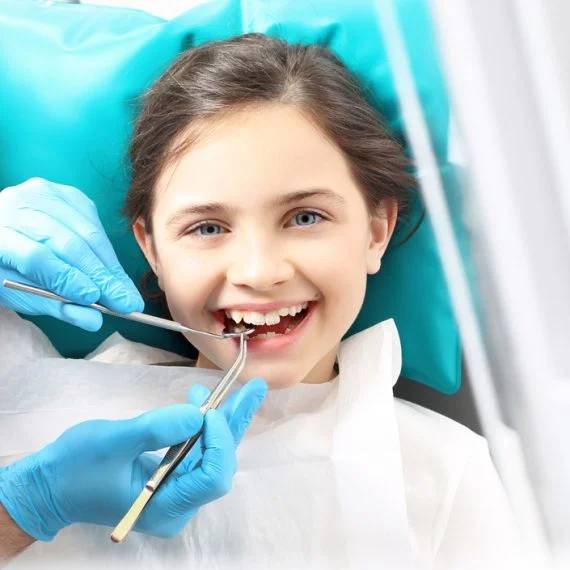
Dental sealants for kids in London, ON are thin protective coatings painted onto the chewing surfaces of back teeth to block cavities. At Gateway Dental Care, we typically recommend them soon after the first permanent molars arrive around age six. Furthermore, sealants are painless, quick, and can protect a child’s smile through the cavity-prone school years.
Watching a child grow means noticing small milestones, and their teeth mark some of the biggest ones. When those first permanent molars push through, they arrive with deep grooves that toothbrush bristles struggle to reach. That is precisely why dental sealants for kids in London, ON have become a cornerstone of preventive care at Gateway Dental Care on Wonderland Road South. Additionally, sealants offer parents a simple, proactive way to guard young smiles during the years cavities strike most.
What Are Dental Sealants, and Why Age Matters
A dental sealant is a protective resin coating applied to the biting surface of a molar. Specifically, it flows into the tiny pits and fissures where food and bacteria collect. Consequently, decay-causing acids struggle to take hold. According to the Canadian Dental Association, sealants are a valuable tool for preventing decay on children’s back teeth.
Timing, however, is everything. Children’s molars are most vulnerable right after they erupt, before saliva and fluoride fully harden the enamel. Therefore, applying sealants early captures the greatest protective benefit.
Pediatric Milestones: The Ideal Sealant Window
The first permanent molars usually appear around age six. Additionally, the second set typically arrives near age twelve. Dentists at Gateway Dental Care generally suggest sealing these molars soon after they surface. Meanwhile, some children with deeply grooved baby teeth may also benefit from earlier protection.
Because every child develops on a slightly different schedule, our team tracks eruption patterns during routine checkups. Consequently, we can recommend the right moment rather than a rigid age.
How the Sealant Process Works for Children
The procedure is quick, comfortable, and completely drill-free. First, we clean and dry the tooth. Next, we apply a mild etching gel so the sealant bonds firmly. Then, we paint on the resin and harden it with a curing light. Altogether, sealing a few molars usually takes only minutes.
Furthermore, there are no needles and no discomfort, which makes sealants an easy first positive dental experience. For anxious young patients, this gentle visit often builds lifelong confidence about the dentist’s chair.
Sealants Alongside Other Preventive Care
Sealants work best as part of a broader oral hygiene routine. For instance, we frequently pair them with fluoride treatments and professional cleanings to strengthen enamel from every angle. Additionally, regular dental exams let us spot early wear and reapply sealants if needed. Together, these steps support strong periodontal health and cavity-free molars throughout childhood.
Do Dental Sealants Last Into the Teen and Adult Years?
Yes, sealants are remarkably durable, and many last several years with proper care. However, they are not permanent. During each visit, our team checks whether a sealant has chipped or worn thin. Consequently, we can touch up coverage before decay sneaks in.
While sealants are best known for kids, teenagers and even cavity-prone adults sometimes benefit too. Nevertheless, the greatest long-term value comes from sealing molars early. In this way, families protect enamel during the years it matters most, laying a foundation for smile longevity well into adulthood.
Caring for Sealed Teeth at Home
Sealants reduce risk, yet daily habits still matter. Therefore, encourage your child to brush twice daily and floss between teeth. Additionally, limit sticky snacks and sugary drinks that challenge enamel. According to the Ontario Dental Association, consistent home care combined with regular checkups gives children the best chance at cavity-free growth.
Moreover, a balanced diet and steady dental visits keep sealed molars performing beautifully. Small routines today create healthier smiles for years to come.
Frequently Asked Questions
At what age should my child get dental sealants?
Most children benefit from sealants soon after their first permanent molars erupt, typically around age six. Additionally, second molars are usually sealed near age twelve. Our team confirms the ideal timing during regular checkups.
Do dental sealants hurt?
No, the process is painless and drill-free. Specifically, we simply clean, prepare, and paint the resin onto the tooth, then harden it with a light. Consequently, most children find the visit quick and stress-free.
How long do sealants last?
Sealants often last several years with good care. However, they can wear over time, so we inspect them at each visit. When needed, we reapply them to maintain full protection.
Are sealants a replacement for brushing?
No, sealants complement daily brushing and flossing rather than replace them. Furthermore, pairing sealants with fluoride and cleanings offers the strongest defense against cavities.
Protect Your Child’s Smile in London, ON
Early prevention is the kindest gift you can give a growing smile. If you are considering dental sealants for kids in London, ON, our team at Gateway Dental Care would love to help. Contact us today to schedule a visit and give your child a cavity-resistant start.
Sources & References
- Canadian Dental Association — Dental Care for Children
- Ontario Dental Association — Patient Resources